

Warabi Mayor Hideo Saitaka
Powering encounters to shape the future
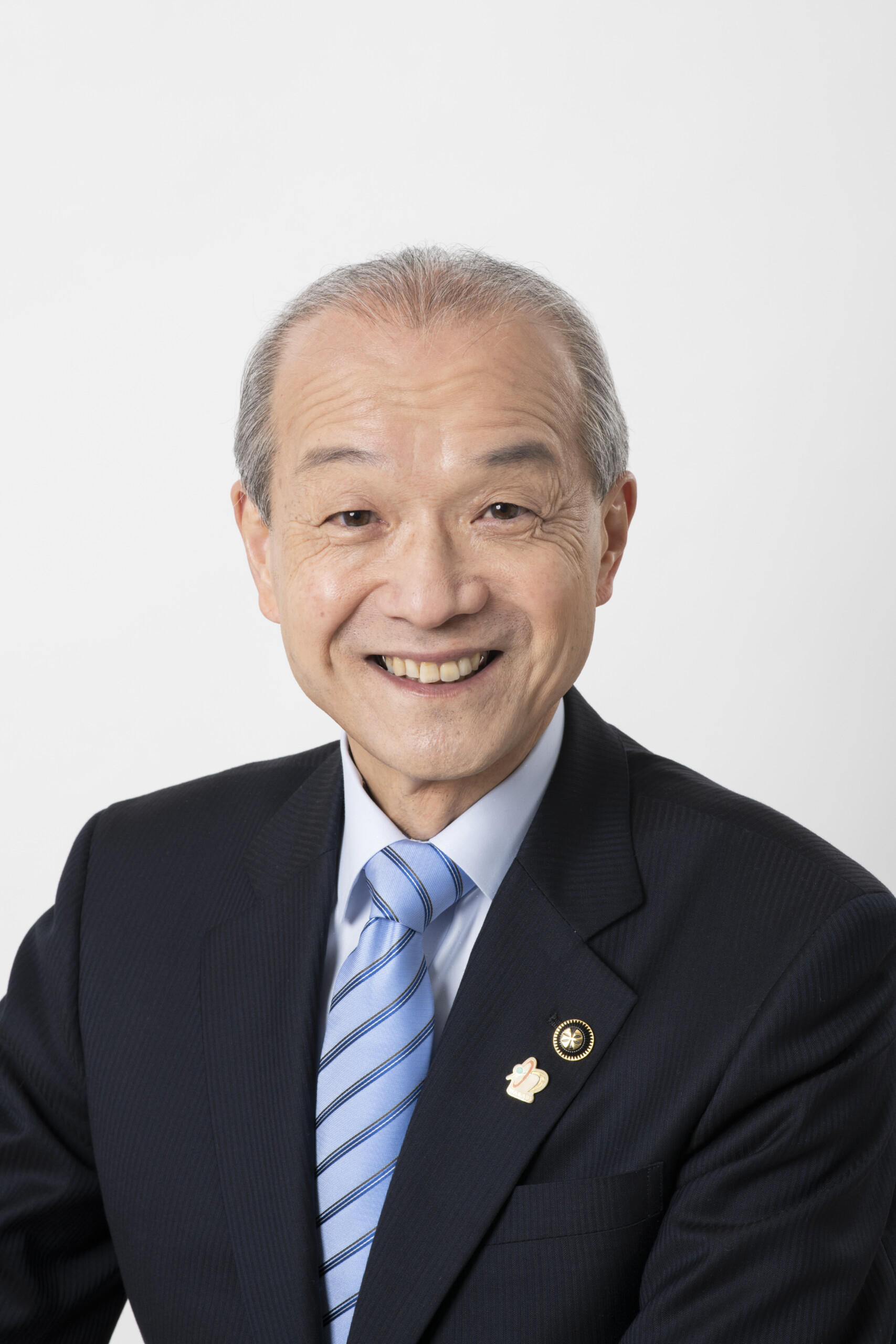
Mayor of Warabi City: Hideo Yorikata
■Profile (as of September 8, 2026)
Born in 1963 (age 62). Originally from Warabi City. Graduated from Saitama Prefectural Urawa Nishi High School and Saitama University, Faculty of Liberal Arts. In July 1991, at the age of 27, he was first elected to the Warabi City Council and served for three terms until 2003. In June 2007, at the age of 43, he was first elected Mayor of Warabi City (currently serving his fifth term). Since then, he has championed "Japan's warmest city administration," which connects with citizens on a personal level and supports their lives, and has dedicated himself to the happiness of the 77,000 citizens of Warabi.
Warabi City, the smallest city in Japan, boasts the highest population density. It combines the convenience of easy access to the city center with the warmth fostered by strong community ties. We spoke with Warabi City Mayor Hideo Yorita, who transitioned from a systems engineer to politics, about his journey so far, his city planning that prioritizes connections with citizens, and his vision for the future of Warabi City.
During my time as a student, I focused on two main things. First, I learned a great deal. I took courses in various fields, not just my major in sociology. I was particularly interested in human development, and while enrolled in the Faculty of Liberal Arts, I also participated in seminars in the Faculty of Education. There, I learned about human growth and social progress, and I feel that I had experiences that allowed me to grow as a person.
Another activity I participated in was the student council. When I first entered the university, I felt that connections between classes were weak, so I wanted to create connections among students and got involved in the activities. In addition to running an overnight camp to welcome new students, I planned a new softball tournament to create a sense of unity within the classes. As a result, it became a large event in which almost all classes participated. It was an experience where I felt the joy of working on a task and bringing it to fruition in cooperation with my peers, and it was also an opportunity to learn the importance of self-governance, which means "governing yourself."
■From connections to the world of politics
After graduating from university, I started working as a systems engineer at a computer company to gain experience in society. At the time, I never imagined I would enter politics. However, because my father had served as a city council member in Warabi City, I received strong requests from local residents to become a council member, and I decided to run for office. I had my doubts, but I was encouraged by the thought that "responding to the strong expectations placed upon me will lead to my own growth," and so I ran for office.
Having been born and raised in Warabi, I actively addressed the issues facing my own town after becoming a council member, asking questions in the assembly and engaging in other activities. Through interacting with people from diverse backgrounds and with different viewpoints, and actually getting things moving, I came to realize the importance and appeal of local self-government.
On the other hand, as I continued my activities, I began to feel that in order to realize the kind of city development I truly believed in, I wanted to become mayor, a position that would give me the authority to put those ideas into action. And with the support of many people, I was elected mayor.
Becoming mayor has given me a different perspective than when I was a council member. While it comes with great responsibility, I find great satisfaction in being able to translate the wishes of the citizens into tangible results through my decisions and implement them as actual policies. Since taking office, I have been able to realize the installation of elevators at Warabi Station, which I was unable to achieve as a council member, and the citizens have been very pleased. I find great satisfaction in realizing the goals I set out to achieve and making city administration feel more accessible to the public.
■ A sense of "our town" creates a better town
Warabi is the smallest city in Japan, yet it has the highest population density. I believe Warabi's charm lies in its combination of "warmth" and "convenience," offering a rich community rooted in history and culture, warm connections between people, and good access to the city center.
I believe that having face-to-face relationships between people is the foundation of community development. Even amidst various challenges such as disaster prevention, knowing people you know in the community is a great source of strength. That's why I want to cherish human interaction and help citizens develop a sense of attachment to their town.
I myself participate in various events and strive to be a mayor that citizens feel close to. In a citizen opinion survey, about 8% of respondents expressed "attachment to the city." What is important in creating a good city is that the people who live there feel, "This is my city." To that end, I place the utmost importance on making city administration feel accessible to citizens and listening to their voices.
■ Leveraging human connections as a force for community development
Warabi has 37 neighborhood associations, and we are working to solve various issues with the cooperation of not only the local government but also the members of these associations. We have leveraged the strong ties within Warabi to address challenges related to multinationalization and crime prevention, and have covered these issues as a community. The number of crimes has decreased to about one-fifth of what it was 20 years ago. Of course, measures taken by the government are also essential. We are promoting the installation of security cameras in the streets and providing subsidies for home security cameras, among other initiatives to alleviate anxieties as much as possible.
Furthermore, we are also focusing on education, childcare, and environmental improvement. Ahead of the national government, we have introduced 35-student classes, installed air conditioning in gymnasiums, assigned ALTs (Assistant Language Teachers) to all schools, and implemented GTEC English four-skills tests, creating an environment where children can learn with enthusiasm. We are also working on the "Healthy Media Declaration," which encourages families and communities to think about how to use social media, eliminating waiting lists for childcare by improving nurseries, and expanding after-school care. In addition, while the national average for earthquake-resistant water pipes (main pipelines) is only 44.6%, we have reached 99.4%, demonstrating steady progress in less visible social infrastructure and disaster prevention measures. And the Warabi Station West Exit Redevelopment Project, aimed at a leap forward into the future, is finally scheduled for completion next year.
What's important in these initiatives is getting citizens involved. Rather than the government unilaterally solving problems, the more people who take ownership and participate as if it were their own town, the greater the power to solve problems becomes. Because Warabi has strong community ties, we want to leverage that power and work together with the citizens to create a better place to live.
■Message to university students
The things I learned during my university days, and the experience of working with peers to solve problems in the student council, weren't something I consciously thought about my future at the time, but looking back, they are connected to my current job. In society, it's important to decide on a better direction, take action, and move forward while reflecting on the process, amidst a diverse group of people. I believe the foundation for this lies in my experiences as a student.
One of my favorite sayings is, "No experience is wasted." You never know when or where your successes and failures will come in handy. That's why I want students to be proactive and challenge themselves in various things without worrying too much about whether they'll see results immediately.
Student Newspaper Online, February 6, 2026, Interview with Sakura Yamashita, 4rd year student at Tsuda University
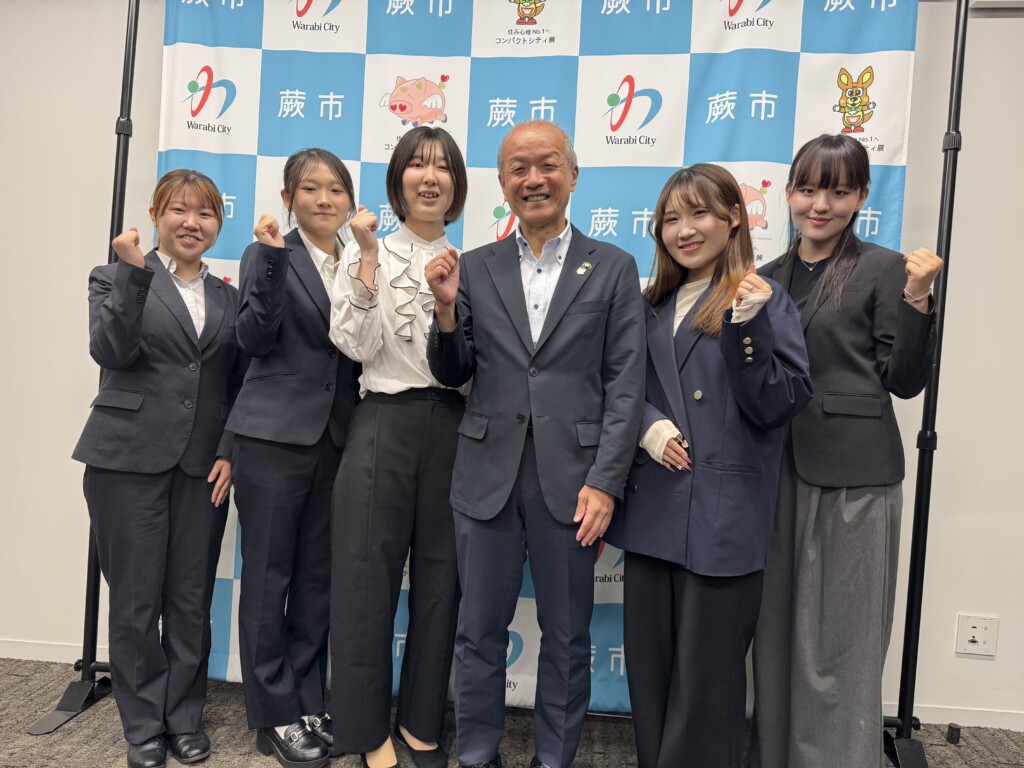
Sakura Yamashita (4th year, Tsuda University) / Nina Ishikawa (2nd year, Sophia University) / Otsuka Masuda (2nd year, Dokkyo University) / Reina Inomoto (1st year, Kyoto University of the Arts) / Mai Wakao (4th year, International Christian University)
List of related articles

Eijiro Yamakita, Representative Director and President of JTB Corporation

The first game of the 82nd Meijin title match (Souta Fujii vs. Masayuki Toyoshima)

Art Aquarium Museum GINZA

Send it to the children of the world! Prayer for Peace Music Festival in Tokyo

Miyazawa Hio: He doesn't stick to one job and always has his sights set on new worlds...

Amazing! Student Group, October 20, 2020 issue

Actor and musician Mitsuhiro Oikawa
No comments yet.